Category: Courier Tips

  • Winter Courier Delivery in Winnipeg: Package and Pickup Tips

    Winter Courier Delivery in Winnipeg: Package and Pickup Tips

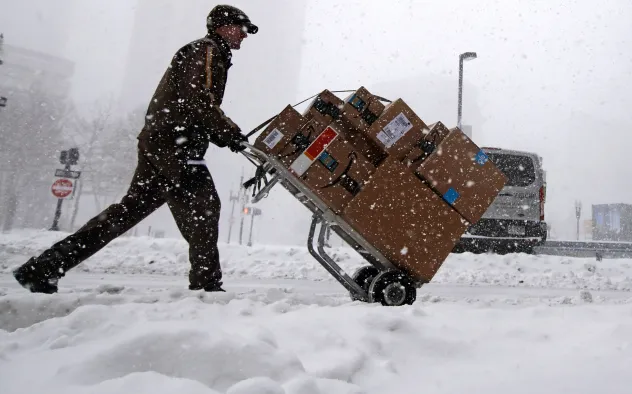
    Winter in Winnipeg is not just a season; it is an environment that tests everything from car batteries to the resilience of everyday logistics. When the temperature drops well below freezing and blowing snow reduces visibility on the perimeter highway, moving parcels from one point of the city to another requires careful planning. Whether you are shipping handmade goods across the province, sending corporate documents downtown, or waiting for an essential online purchase to arrive at your porch in St. Vital, understanding how winter weather impacts courier services can save you time, money, and frustration.

    Operating a reliable courier service through Manitoba winters demands specialized knowledge, winter-ready fleets, and proactive communication. For senders and recipients alike, adopting a few smart habits makes all the difference. From choosing the right packaging materials to withstand sub-zero temperatures to clearing safe pathways for your delivery driver, this guide covers everything you need to know about winter courier delivery in Winnipeg.

    How Winnipeg Winters Impact Local Courier Operations

    Before diving into specific package and pickup tips, it helps to understand what happens behind the scenes when a winter storm hits Winnipeg. The Prairies are known for rapid weather shifts. A mild afternoon can turn into a ground blizzard by evening, drastically slowing down transit times along major arteries like Route 90, Kenaston Boulevard, and Pembina Highway.

    Extreme cold also affects vehicles and machinery. Diesel and gas engines work harder to start in minus-thirty-degree weather, and tire rubber loses flexibility, reducing traction. Courier companies must invest in winter tires, block heaters, and rigorous maintenance schedules to keep their delivery vans operational. Despite these precautions, safety always comes first. When municipal snowplows are struggling to clear residential streets in neighborhoods like Transcona or Whyte Ridge, delivery vehicles may experience temporary delays.

    Understanding these realities helps set realistic expectations. Planning ahead for seasonal slowdowns ensures your packages arrive when you need them, without last-minute panic.

    Smart Packaging Strategies for Sub-Zero Temperatures

    Packaging items for winter transport is very different from packing them in July. Winnipeg’s dry winter air, combined with freezing temperatures, can alter the physical properties of many common shipping materials. Cardboard can become brittle when exposed to prolonged cold, and standard plastic packaging tape may lose its adhesive strength, causing boxes to pop open in transit.

    💡 Tip: Always use heavy-duty, pressure-sensitive packing tape rated for low temperatures, or reinforce box seams with water-activated reinforced paper tape, which holds its bond much better in dry, freezing conditions.

    Moisture is another silent hazard during Canadian winters. Snow on doorsteps, slush in delivery truck beds, and condensation formed when moving a package from a freezing vehicle into a heated building can all compromise porous packaging materials. Protecting your items with an inner layer of heavy-duty plastic sheeting or zip-top bags provides a reliable moisture barrier.

    If you are shipping temperature-sensitive goods such as electronics, cosmetics, plants, or certain liquid products, standard cardboard boxes may not be enough. Extreme cold can ruin LCD screens, crack plastic housings, or freeze liquids that expand and burst their containers. For these items, consider thermal mailers or insulated coolers paired with gel packs designed to buffer against freezing temperatures during transit.

    Preparing Your Property for Safe Courier Pickups and Drop-Offs

    When a courier driver arrives at your home or business in Winnipeg to pick up a package or drop off a delivery, they rely on safe, accessible pathways. Ice storms, black ice, and unplowed snowdrifts create hazardous conditions that put delivery personnel at risk of slips, trips, and falls.

    Property owners share the responsibility of maintaining a safe environment for service providers. Taking a few proactive steps before your scheduled pickup or expected delivery window ensures smooth operations and keeps everyone safe.

    ❄️

    Clear and Salt Walkways

    Shovel snow promptly from your driveway and front steps. Apply salt or sand generously to melt ice patches before the driver arrives.

    💡

    Illuminate Dark Entrances

    Winnipeg winter days are short. If your delivery or pickup falls during early morning or late afternoon darkness, turn on your porch light.

    🚪

    Provide Clear Instructions

    Use delivery notes to specify sheltered drop-off spots protected from wind and drifting snow, such as a covered porch or mudroom.

    Clear communication is especially important during heavy snowfall events. If city snow clearing operations have left a windrow of packed snow at the end of your driveway, let your courier know so they can plan the safest approach for vehicle access.

    Best Practices for Business Shipping During Manitoba Winters

    For Winnipeg businesses, winter weather introduces supply chain challenges that can impact customer satisfaction. E-commerce merchants, professional offices, and industrial suppliers all need a reliable strategy to keep goods moving when weather warnings are in effect across Manitoba.

    One of the most effective strategies is adjusting your dispatch timing. Because winter traffic congestion and reduced road speeds add time to every route, booking your pickups earlier in the day gives courier drivers a better window to complete pickups and process shipments before afternoon rush hour or deteriorating evening weather conditions.

    Inventory management also plays a role. During peak winter months, including the holiday shopping season and January retail rushes, shipping volumes peak just as weather risks are highest. Building extra buffer days into your promised delivery windows protects your business reputation and manages customer expectations effectively.

    Working closely with an experienced local courier partner ensures you receive timely updates regarding service disruptions, road closures, and weather advisories. Local couriers understand Winnipeg’s geography and can adapt routes faster than national or international carriers relying on centralized dispatch systems.

    Winter Package Tracking and Delivery Communication

    Staying informed is your best defense against winter delivery headaches. Modern courier services offer digital tracking tools that provide real-time updates on your shipment’s progress. However, winter weather can sometimes cause sudden status changes.

    When tracking shipments during a Winnipeg blizzard or deep freeze, keep the following tips in mind:

    • Opt into text or email alerts: Receive instant notifications if your delivery window changes due to severe weather alerts issued by Environment Canada.
    • Keep contact details current: Ensure your phone number is attached to the shipping label so the driver can reach you if they encounter gate codes, locked apartment buzzers, or impassable alleys.
    • Designate a secure receiving spot: If you cannot be home during a daytime delivery, arrange for a neighbor to accept the package or specify a safe, out-of-sight location protected from blowing snow.
    • Allow extra time for scanning updates: During peak storm events, sorting facilities may experience slight processing backlogs as staff prioritize safety and weather-related delays.

    Clear communication between sender, courier, and recipient eliminates guesswork and ensures that high-value or time-sensitive packages reach their destination securely, regardless of the weather outside.

    Common Winter Shipping Mistakes to Avoid

    Even seasoned shippers occasionally fall victim to winter logistics pitfalls. Avoiding these common mistakes will save you time and protect your shipments from preventable damage:

    Mistake Winter Consequence Better Approach
    Using cheap tape Adhesive fails in dry cold; boxes pop open. Use reinforced packing tape rated for cold environments.
    Leaving walkways icy Driver cannot safely access your door; pickup delayed. Shovel and salt steps and walkways prior to pickup windows.
    Ignoring weather forecasts Unprepared for sudden highway closures or storm delays. Check local forecasts and book urgent shipments earlier.
    Poor moisture protection Melting snow ruins contents and weakens cardboard. Wrap interior goods in plastic bags before boxing.

    By keeping these simple principles in mind, you can navigate even the harshest Winnipeg winter weather without compromising the safety and timeliness of your parcels.

    Ready to Ship Your Winter Parcels in Winnipeg?

    Trust Winnipeg Courier for dependable, local delivery service designed for Manitoba winters.

    Request a Quote

  • Planning a Courier Delivery from Winnipeg to Manitoba

    Planning a Courier Delivery from Winnipeg to Manitoba

    Courier deliveries from Winnipeg to communities across Manitoba require a little more planning than a short trip across the city. Distance, weather, pickup timing, package preparation, recipient availability and route conditions can all affect how smoothly a shipment moves.

    This guide explains how businesses and individuals can prepare a courier shipment leaving Winnipeg for another Manitoba community, what information to provide, and how to reduce avoidable delays.

    Start With the Exact Pickup and Delivery Details

    Before booking a courier, confirm the complete pickup and delivery information. Include the street address, unit or suite number, business name if applicable, contact person and working phone number. Rural properties may also need clear access notes or landmarks.

    Accurate information matters because a driver travelling outside Winnipeg may not have the same flexibility to return later if a recipient cannot be found. Double-check postal codes and phone numbers before the shipment leaves.

    Choose the Right Service for the Distance

    Not every delivery outside Winnipeg needs the same level of urgency. Some shipments are time-sensitive, while others simply need dependable same-day or scheduled transportation. Consider when the item must arrive, whether the recipient has a closing time, and whether the route can reasonably be completed within the requested window.

    For urgent shipments, contact the courier as early as possible. Earlier notice gives the dispatcher more room to plan a direct route and coordinate pickup with other scheduled work.

    Package the Item for a Longer Trip

    A package travelling to another Manitoba community may spend more time in a vehicle than a local Winnipeg delivery. Use a box, envelope or container that matches the item and protects it from movement.

    For documents

    Use a sturdy document envelope or file pouch. Keep confidential papers sealed and clearly label the recipient. If signatures or special handling are required, mention that when booking.

    For fragile items

    Use cushioning around all sides and fill empty space so the item does not move inside the box. Marking a box as fragile can help communicate handling needs, but proper internal packaging is still the most important protection.

    For parts and supplies

    Small industrial or automotive parts should be wrapped to prevent movement, sharp edges should be covered, and liquids should be placed in leak-resistant packaging. If an item is unusually heavy, oversized or awkwardly shaped, tell the courier before pickup.

    Plan Around Manitoba Weather

    Weather can change quickly in Manitoba, especially during winter. Snow, freezing rain, strong wind and poor visibility may affect travel times on highways outside Winnipeg. During severe conditions, safety must come before speed.

    If a delivery is important, build some flexibility into the schedule and avoid leaving the booking until the last possible moment. For winter shipments, use weather-resistant outer packaging when appropriate and make sure labels remain readable if exposed to moisture.

    Confirm Recipient Availability

    One of the easiest ways to prevent a failed delivery is to make sure someone will be available to receive the item. Confirm business hours, lunch closures, loading-door instructions and any security procedures.

    For residential deliveries, provide the recipient’s current phone number. If the shipment cannot be left unattended, make that clear before the driver departs Winnipeg.

    Provide Clear Special Instructions

    Special requirements should be communicated at booking rather than after pickup. Examples include signature requirements, reception-desk delivery, loading dock access, call-before-arrival instructions, proof of delivery or a specific department inside a building.

    Clear instructions reduce uncertainty for the driver and make it easier to complete the trip without unnecessary waiting.

    Understand What Can Affect Delivery Time

    Travel time outside Winnipeg is influenced by more than distance. Road construction, traffic leaving the city, weather, rural road conditions, recipient delays and loading time can all matter. A courier can often provide a practical estimate, but exact arrival times may depend on conditions beyond the driver’s control.

    When timing is critical, explain the real deadline rather than simply asking for delivery “as soon as possible.” A clear deadline helps the courier determine whether the request is realistic.

    Use Scheduled Deliveries for Regular Routes

    Businesses that repeatedly send items from Winnipeg to the same Manitoba community may benefit from a recurring schedule. Regular pickups can simplify dispatching, reduce last-minute booking and help staff prepare shipments before the driver arrives.

    Recurring courier service can be useful for documents, replacement parts, supplies, retail transfers and other business-to-business shipments.

    Keep a Simple Booking Checklist

    • Full pickup address and contact
    • Full delivery address and contact
    • Package size, weight and description
    • Required delivery date or deadline
    • Signature or proof-of-delivery requirements
    • Special access or handling instructions
    • Recipient business hours or availability

    Courier Service From Winnipeg Across Manitoba

    Good preparation makes regional courier delivery much easier. Accurate addresses, suitable packaging, realistic timing and clear recipient instructions all help reduce avoidable delays.

    If you need to arrange a delivery leaving Winnipeg for another Manitoba community, contact Winnipeg Courier with the pickup location, destination, package details and required timeframe. We can help you determine the most practical delivery option for the shipment.

    Request a Quote

  • What Is Last-Mile Delivery and Why Does It Matter?

    What Is Last-Mile Delivery and Why Does It Matter?

    Last-mile delivery is the final part of a shipment’s journey, when an item moves from a local warehouse, store, distribution point or courier facility to the customer or business receiving it. It may be called the “last mile,” but the distance can be only a few blocks or many kilometres.

    For businesses in Winnipeg, this final stage can have a major effect on customer experience. A product may travel across Canada successfully, but the customer usually remembers whether the final delivery was convenient, on time and handled professionally.

    How Last-Mile Delivery Works

    The process usually starts when an order or shipment is ready at a local location. A driver receives the delivery information, picks up the item, follows the planned route and completes delivery to the final address.

    Depending on the shipment, the driver may also need to collect a signature, contact the recipient, follow building-access instructions or provide proof of delivery.

    Why the Last Mile Can Be Challenging

    The final stage often involves many individual stops rather than one long highway trip. Traffic, parking, construction, apartment access, office reception areas and recipient availability can all affect delivery time.

    In Winnipeg, seasonal weather adds another factor. Snow, ice and extreme cold can slow travel and make loading or unloading more difficult. Good route planning and clear delivery instructions become especially important during winter.

    Why Last-Mile Delivery Matters to Customers

    Customers increasingly expect clear and convenient delivery. Even when the product itself is excellent, a confusing or unreliable delivery experience can create frustration.

    A strong last-mile process helps businesses give customers a better final impression. Accurate addresses, realistic delivery windows and easy communication all contribute to that experience.

    Local Knowledge Helps

    A local courier familiar with Winnipeg can better understand common traffic patterns, downtown loading challenges, industrial areas, suburban routes and seasonal road conditions. Local knowledge does not remove every delay, but it can make routing more practical.

    This is especially useful when a delivery needs to move quickly between businesses, offices, job sites or customers across the city.

    Last-Mile Delivery for Retail Businesses

    Retailers may use local delivery when customers want an item sooner than standard parcel shipping can provide. A courier can collect orders from a store or local fulfillment location and deliver directly to the customer.

    This can be useful for urgent purchases, larger local orders or situations where the business wants more control over the local delivery experience.

    Last-Mile Delivery for Offices

    Professional offices often need documents, packages or supplies delivered between locations. A local courier can move time-sensitive items directly instead of placing them into a national parcel network.

    For confidential documents, businesses should use proper packaging and communicate any signature or handling requirements before pickup.

    Last-Mile Delivery for Parts and Equipment

    Repair shops, contractors and industrial businesses sometimes need a replacement part quickly to keep work moving. Local last-mile delivery can connect suppliers with job sites, garages, warehouses and service locations around Winnipeg.

    When booking, provide accurate dimensions and weight, especially for heavy or oversized parts. This helps ensure the courier arrives with a suitable vehicle.

    Same-Day Delivery and the Last Mile

    Same-day courier service is one form of last-mile delivery. Instead of waiting for a standard carrier route, a local courier can often collect an item and move it directly toward the destination on the same day.

    The exact timeframe depends on pickup readiness, distance, traffic, weather, package type and driver availability. Businesses should book early when a firm deadline matters.

    How Businesses Can Improve Last-Mile Delivery

    • Verify customer addresses before dispatch.
    • Collect a working recipient phone number.
    • Provide apartment, suite or loading-dock information.
    • Package items securely for transport.
    • Tell the courier about signatures or special handling in advance.
    • Use realistic deadlines.
    • Prepare orders before the driver arrives.

    Recurring Last-Mile Delivery

    Businesses with regular local deliveries may benefit from scheduled courier pickups. A recurring route can help reduce repeated booking work and create a predictable process for staff.

    Examples include daily document runs, pharmacy or supply transfers, retail deliveries, inter-office shipments and scheduled business-to-business routes.

    When a Local Courier Makes Sense

    A local courier is especially useful when speed, direct communication or flexibility matters. Standard parcel services are excellent for many shipments, but a dedicated local service may be more practical for urgent or time-sensitive deliveries within Winnipeg.

    Last-Mile Delivery in Winnipeg

    Last-mile delivery is where the shipment finally reaches the person or business that needs it. For Winnipeg companies, improving this final step can create a smoother customer experience and make local operations more efficient.

    Winnipeg Courier provides local delivery options for documents, packages, parts and business shipments. To arrange a pickup, provide the pickup address, destination, package details and required delivery timeframe.

    Request a Quote

  • How Businesses Can Plan Recurring Courier Deliveries

    How Businesses Can Plan Recurring Courier Deliveries

    Businesses that send documents, supplies, parts or customer orders on a regular basis can save time by planning recurring courier deliveries instead of arranging every shipment from scratch. A simple delivery schedule helps staff know when items must be ready and gives the courier clearer routing information.

    This guide explains how Winnipeg businesses can organize recurring courier service and create a process that is reliable, easy to manage and flexible when needs change.

    Identify What You Send Regularly

    Start by reviewing the deliveries your business makes every week or month. Look for repeated destinations, similar pickup times and shipments that follow a predictable pattern.

    Examples can include documents between offices, inventory transfers, parts going to service locations, supplies delivered to job sites or customer orders leaving the same location each day.

    Group Deliveries by Frequency

    Not every recurring shipment needs to happen daily. Some routes may work better twice a week, weekly or on specific weekdays. Grouping deliveries by frequency can make the schedule easier for staff to follow.

    For each route, note the pickup location, normal destination, preferred day, preferred pickup window and any deadline at the receiving location.

    Choose a Realistic Pickup Window

    A recurring courier schedule works best when packages are ready before the driver arrives. Avoid choosing a pickup time that leaves staff rushing to finish paperwork or packaging.

    If orders are normally prepared in the morning, a late-morning or afternoon pickup may be more practical. If the receiving business closes early, work backward from that deadline.

    Keep Address and Contact Information Current

    Recurring routes can become inefficient when old contact information remains on file. Review addresses, suite numbers, phone numbers, receiving hours and loading instructions regularly.

    If a business moves or changes its receiving procedure, update the courier before the next scheduled run.

    Standardize Packaging

    Using consistent packaging helps staff prepare recurring shipments more quickly. Keep suitable envelopes, labels, tape, boxes and protective material available where orders are packed.

    For documents, use sealed envelopes or pouches. For fragile items, use cushioning and a strong outer box. For parts or heavier items, make sure the package can be handled safely and tell the courier about unusual dimensions or weight.

    Create a Simple Internal Process

    Recurring delivery should not depend on one employee remembering every step. Write a short internal process covering who prepares the shipment, who confirms the destination, where the package waits for pickup and who contacts the courier if something changes.

    This is especially useful when staff rotate shifts or when the usual coordinator is away.

    Decide Which Deliveries Need Proof

    Some shipments may require a signature or confirmation of delivery. Decide this in advance rather than adding the request after dispatch.

    Documents, sensitive items and important business packages may benefit from clear proof-of-delivery instructions. Other routine items may not need the same level of confirmation.

    Plan for Exceptions

    Even a well-designed recurring route will occasionally change. A customer may be closed, an item may not be ready, or an urgent delivery may need to be added.

    Make sure staff know how to communicate changes. Early notice gives the courier more opportunity to adjust the route without affecting other stops.

    Consider Seasonal Conditions

    Winnipeg weather can affect transportation throughout the year, especially in winter. Snow, ice and poor visibility may increase travel time. Businesses with strict deadlines should allow additional flexibility during difficult conditions.

    Keep entrances, loading areas and pickup points accessible when possible. Weather-resistant packaging can also help protect shipments that may be exposed briefly during loading and unloading.

    Use Recurring Courier Service for Multiple Locations

    Companies with several Winnipeg locations can use scheduled routes for inter-office mail, inventory, paperwork or supplies. A planned route can connect locations in a consistent order and reduce the need for employees to leave work to make deliveries.

    When multiple stops are involved, provide a clear list of destinations and identify which items belong at each stop.

    Review the Schedule Periodically

    A route that worked six months ago may no longer be ideal. Review recurring deliveries from time to time and ask whether the pickup window, frequency or destination list still matches the business.

    If shipment volume increases, it may make sense to change the schedule. If volume decreases, combining stops may be more efficient.

    Recurring Courier Checklist

    • List regular pickup and delivery locations.
    • Choose the delivery frequency.
    • Set a realistic pickup window.
    • Confirm receiving hours.
    • Standardize packaging and labels.
    • Assign an internal staff contact.
    • Document signature requirements.
    • Create a process for cancellations or urgent additions.
    • Review the route regularly.

    Recurring Courier Delivery in Winnipeg

    A predictable courier schedule can help Winnipeg businesses spend less time coordinating routine transportation and more time focusing on their work. The key is to keep the process simple, prepare shipments on time and communicate changes early.

    Winnipeg Courier can help businesses arrange recurring local deliveries for documents, packages, supplies and other business shipments. Contact us with your locations, preferred schedule and typical shipment details to discuss a practical recurring delivery plan.

    Request a Quote

  • How to Send Important Documents by Courier in Winnipeg

    How to Send Important Documents by Courier in Winnipeg

    Important documents often need more care than an ordinary package. Contracts, legal papers, applications, financial documents, signed forms and business records may be time-sensitive or difficult to replace. When you send them by courier in Winnipeg, good preparation helps reduce delays and protects the contents while they are in transit.

    This guide covers the main steps to follow when sending documents by local courier, from packaging and addressing to delivery instructions and proof of receipt.

    Choose the Right Envelope or Document Package

    Use packaging that keeps papers flat, clean and protected. A sturdy document envelope, rigid mailer or sealed file pouch is usually more suitable than a thin paper envelope for important material.

    If the documents must not be folded, use a rigid mailer large enough to hold them without bending. For thicker files, choose a document box or reinforced envelope that can close securely.

    Protect Confidential Information

    Documents containing personal, financial, legal or business information should be sealed before pickup. Avoid leaving sensitive papers exposed or loosely placed in an open folder.

    Write the recipient’s name and department clearly on the outside, but do not place unnecessary confidential information on the package itself.

    Confirm the Exact Delivery Address

    Many document deliveries go to office towers, law firms, medical offices, government buildings, banks or other locations with multiple departments. Include the complete street address, suite or floor number, business name and recipient name.

    If the building has a specific courier entrance, loading area or reception desk, provide those instructions when booking.

    Include a Reliable Contact Number

    A working phone number can help the driver resolve access issues quickly. If the recipient is unavailable, the courier may need to contact someone before completing delivery.

    For urgent documents, make sure the sender’s contact number is also available in case the courier needs clarification.

    Decide Whether You Need a Signature

    Not every document requires a signature, but important paperwork may benefit from proof of receipt. Tell the courier before pickup if the documents must be handed directly to a named person or if a signature is required.

    If reception staff are allowed to accept the delivery, make that clear. If only the named recipient can receive it, say so in advance.

    Allow Enough Time for Office Hours and Security

    Some Winnipeg buildings have security desks, restricted elevators, loading rules or early closing times. These procedures can add time to a delivery.

    When a deadline matters, confirm the recipient’s office hours and book early enough to allow for building access, traffic and other normal delays.

    Use Same-Day Courier Service for Time-Sensitive Documents

    Local same-day courier service can be useful when documents need to move across Winnipeg without entering a standard parcel network. Examples include signed contracts, court or legal documents, business forms, permits, financial records and tender documents.

    The exact delivery time depends on distance, pickup readiness, traffic, weather and driver availability. For urgent jobs, provide the real deadline at the time of booking.

    Keep Copies When Appropriate

    Before sending irreplaceable paperwork, keep a digital or physical copy when possible. If an original document must be delivered, note that it is an original and package it carefully.

    This is especially important for signed agreements, certificates and other documents that may be difficult to recreate.

    Prepare Documents Before the Driver Arrives

    Courier pickups move more smoothly when the package is sealed, labelled and ready. Do not wait until the driver arrives to finish printing, signing or organizing the documents.

    For business locations, choose a consistent pickup point such as reception or a shipping desk so staff know where outgoing courier items should be placed.

    Common Document Courier Mistakes to Avoid

    • Missing suite or floor numbers
    • Incorrect recipient names
    • No phone number for access issues
    • Unsealed confidential documents
    • Unclear signature requirements
    • Booking too close to the recipient’s closing time
    • Sending documents before all signatures are complete

    Document Delivery for Winnipeg Businesses

    Regular document courier service can also help businesses that send paperwork between offices, clients, professional firms and government locations. If document deliveries happen repeatedly, a scheduled pickup may make the process easier for staff.

    Send Important Documents With Winnipeg Courier

    When documents matter, preparation is simple but important: use secure packaging, provide complete addresses, confirm recipient availability and state any signature requirements before pickup.

    Winnipeg Courier provides local document delivery for businesses and individuals across Winnipeg. To arrange a pickup, send the pickup address, delivery address, recipient details and required timeframe.

    Request a Quote

  • Urgent Courier Checklist: What to Do Before You Book

    Urgent Courier Checklist: What to Do Before You Book

    Urgent courier requests are easier to complete when everything is ready before the driver arrives. A missing address, unfinished package or unavailable recipient can turn a fast delivery into an unnecessary delay.

    Use this checklist before booking an urgent courier in Winnipeg so the shipment can move as smoothly as possible.

    1. Confirm the Delivery Deadline

    Start with the actual deadline. “ASAP” can mean different things, so tell the courier when the item truly needs to arrive. A clear deadline helps determine whether the request is realistic based on distance, traffic, weather and current driver availability.

    2. Verify the Pickup Address

    Provide the full pickup address, including unit, suite, floor or loading-dock information. If the location is difficult to access, include a short note about where the driver should go.

    Make sure someone is available to hand over the shipment when the courier arrives.

    3. Verify the Delivery Address

    Double-check the destination before booking. Include the business name, suite number, department and recipient name where applicable.

    One incorrect digit in an address can waste valuable time on an urgent delivery.

    4. Provide Contact Numbers

    Include a working phone number for both pickup and delivery contacts. If a building is locked, a recipient is away from reception or an address is unclear, quick communication can prevent delays.

    5. Finish Packaging Before Pickup

    The shipment should be packed, sealed and labelled before the driver arrives. Choose packaging that fits the item and protects it during transport.

    For documents, use a sturdy sealed envelope. For fragile items, use cushioning and fill empty space. For parts, cover sharp edges and prevent movement inside the box.

    6. Tell the Courier the Size and Weight

    Urgent deliveries can be delayed if the courier arrives and discovers the item is too large or heavy for the expected vehicle. Give accurate dimensions and weight for oversized, heavy or unusual items.

    7. Mention Special Handling Requirements

    Tell the courier in advance if the shipment is fragile, sensitive, confidential or requires special positioning. If the item contains liquids, make sure the container is properly sealed and packaged to prevent leakage.

    8. Confirm Signature Requirements

    If the package must be signed for, say so at booking. Also confirm whether reception staff can accept it or whether it must go directly to a named recipient.

    9. Check Recipient Availability

    Urgent delivery is only successful if someone can receive the shipment. Confirm that the destination will still be open when the driver arrives.

    This is especially important for businesses with early closing times, lunch closures, security desks or restricted receiving hours.

    10. Share Building Access Instructions

    Downtown offices, hospitals, industrial buildings, apartment towers and secured facilities may have special access procedures. Provide loading-zone, buzzer, dock or security information before dispatch.

    11. Consider Winnipeg Traffic and Weather

    Traffic congestion, construction, snow, freezing rain and poor visibility can all affect urgent courier timing. During difficult weather, safety takes priority.

    If the deadline is critical, book as early as possible and allow some flexibility for conditions outside the courier’s control.

    12. Keep the Sender Available

    After pickup, the sender should remain reachable until the delivery is completed. If the driver encounters an unexpected problem, quick instructions can help keep the shipment moving.

    13. Use Clear Labels

    Write or print the recipient name and destination clearly. If multiple packages are going to different places, label each one separately to reduce the risk of confusion.

    14. Remove Old Shipping Labels

    If you reuse a box, remove or cover old labels and barcodes. Leaving previous delivery information visible can create confusion during handling.

    15. Have Payment or Account Details Ready

    If your business uses an account or purchase order, have the necessary information available when booking. For one-time deliveries, confirm the payment method before pickup where required.

    Quick Urgent Courier Checklist

    • Deadline confirmed
    • Pickup address verified
    • Delivery address verified
    • Contact numbers provided
    • Package sealed and labelled
    • Size and weight confirmed
    • Special handling noted
    • Signature requirements confirmed
    • Recipient availability checked
    • Access instructions provided

    Urgent Courier Service in Winnipeg

    The fastest urgent delivery usually starts with good preparation. Clear addresses, complete contact information and a ready-to-go package help the courier focus on the route instead of solving preventable problems.

    If you need an urgent courier in Winnipeg, contact Winnipeg Courier with the pickup location, destination, package details and required delivery time.

    Request a Quote

  • How to Prepare a Package for Local Courier Delivery

    How to Prepare a Package for Local Courier Delivery

    Proper packaging helps protect your shipment and makes local courier delivery easier. Whether you are sending documents, retail products, parts or personal items across Winnipeg, the package should be secure, clearly labelled and ready before the driver arrives.

    This guide covers the basic steps for preparing a package for local courier delivery.

    Choose Packaging That Fits the Item

    Start with a box, envelope or container that matches the size and type of item. Packaging that is too large allows the contents to move around. Packaging that is too small may place pressure on the item or fail to close properly.

    For most shipments, a clean corrugated box in good condition is a practical choice. Documents may be better suited to a rigid mailer or sealed document envelope.

    Protect Fragile Items

    Fragile items need cushioning on all sides. Use bubble wrap, foam, paper or another suitable protective material to reduce movement and absorb minor bumps during normal handling.

    After packing, gently move the box. If you can hear or feel the item shifting, add more cushioning.

    Fill Empty Space

    Empty space inside a box can allow contents to slide or collide. Fill gaps with packing material so the item stays in place.

    This is especially important for glass, electronics, tools, parts and other items that may be damaged by repeated movement.

    Seal the Package Properly

    Use strong packing tape on all open seams. Avoid relying on weak household tape, string or loosely folded box flaps.

    For heavier shipments, reinforce the bottom of the box before placing the item inside.

    Use Leak-Resistant Packaging for Liquids

    Liquids should be placed in tightly closed containers and then packaged to contain leaks if the inner container fails. Use a sealed secondary bag or other suitable barrier when appropriate.

    Tell the courier if a shipment contains liquid so any relevant handling instructions can be followed.

    Cover Sharp or Protruding Edges

    Tools, metal parts and other irregular items may have sharp edges. Protect these areas so they cannot puncture the box or injure someone handling the package.

    If an item cannot be safely enclosed in standard packaging, describe it to the courier before booking.

    Label the Destination Clearly

    Include the recipient name, business name if applicable, complete delivery address, unit or suite number and a working phone number.

    Make the label easy to read and place it on a flat surface of the package. Avoid placing the main address label over a taped seam.

    Add the Sender Information

    Include the sender’s name or business, pickup address and contact number. This can be helpful if the driver or recipient needs clarification.

    Remove Old Labels From Reused Boxes

    Reusing a good-quality box can be practical, but remove or cover previous shipping labels and barcodes first. Old information can create confusion.

    Also inspect the box for water damage, crushed corners or weak seams before reusing it.

    Mark Special Handling Clearly

    If the package is fragile, must remain upright or has other handling needs, communicate that information when booking. A label can also be useful, but it should not replace proper packaging.

    Prepare Important Documents Separately

    Documents should be sealed in a suitable envelope or pouch. If original documents must stay flat, use a rigid mailer.

    For confidential paperwork, make sure the contents are not visible and the package is fully closed before pickup.

    Confirm the Package Size and Weight

    Measure oversized items and estimate or weigh heavier packages before contacting the courier. Accurate information helps the dispatcher choose an appropriate vehicle and plan the pickup correctly.

    Keep Packages Ready at the Pickup Point

    Place completed shipments at a known pickup location such as reception, a shipping desk or designated counter. If the driver has to wait while an item is still being packed, it may affect the schedule.

    Plan for Winnipeg Weather

    Rain, snow and slush can expose packages to moisture during loading and unloading. Use a weather-resistant outer layer when the contents are sensitive to water.

    During winter, avoid leaving temperature-sensitive items outside before pickup unless they are packaged for those conditions.

    Package Preparation Checklist

    • Use a suitable box, mailer or envelope
    • Add cushioning around fragile items
    • Fill empty space
    • Seal all seams securely
    • Protect liquids and sharp edges
    • Add a complete delivery label
    • Include sender contact information
    • Remove old labels
    • Communicate special handling needs
    • Confirm size and weight

    Local Courier Delivery in Winnipeg

    A well-prepared package protects the contents and helps the courier complete pickup and delivery more efficiently. Taking a few minutes to choose the right packaging, seal it properly and provide clear delivery details can prevent common problems.

    Winnipeg Courier provides local delivery for documents, packages, parts and business shipments across Winnipeg. When booking, provide the pickup address, destination, package size and required delivery timeframe.

    Request a Quote

  • How to Choose a Courier Service in Winnipeg

    How to Choose a Courier Service in Winnipeg

    The short answer: to choose a courier service in Winnipeg, first define what you are sending, how fast it needs to arrive, and how often you will ship. Then compare providers on reliability, communication, handling of sensitive or fragile items, pricing clarity, and local knowledge of the city. The best courier for you is the one whose service options match your actual delivery needs, not simply the cheapest quote or the biggest name.

    This guide walks through each step in practical terms, with a comparison table, a checklist of questions to ask, and the edge cases that tend to catch people off guard. Whether you are a law office sending signed contracts downtown, a small retailer moving stock between locations, or a resident who needs something across the river today, you will find a clear way to evaluate your options.

    Step 1: Define What You Actually Need Delivered

    Most poor courier experiences start with a mismatch between the job and the service. Before you request a single quote, get specific about three things.

    What are you sending?

    Note the size, weight, and nature of the item. A sealed envelope of legal documents has very different requirements from a box of medical supplies, a set of architectural drawings, or a pallet of retail products. Confidential paperwork may need a signature on delivery, while fragile goods need careful packaging and handling. Knowing this up front lets you ask the right questions and avoid surprises.

    How quickly does it need to arrive?

    Be honest about the deadline. “As soon as possible” and “by end of day” are very different requests. If a court filing must land before a cutoff, you need a service built around urgency. If a delivery can arrive any time today, a same-day courier in Winnipeg is usually the practical fit. Paying for a rush option you do not need wastes money, while choosing a slower option for a time-critical item creates risk.

    How often will you ship?

    A one-time delivery can be booked on the spot. Regular shipments, such as daily bank runs, weekly supplier pickups, or recurring deliveries to clients, benefit from a consistent arrangement. Frequency affects how much weight you should give to account setup, invoicing, and building a working relationship with the courier.

    Step 2: Match the Service Type to the Job

    Once you know your needs, use this table to see which type of service generally fits. Always confirm details directly with the provider, since service definitions vary.

    Your Situation Service Type to Look For What to Confirm
    A deadline within the next few hours Urgent courier service Realistic pickup time and direct routing
    Needs to arrive today, no exact minute Same-day delivery Booking cutoff times and delivery window
    Contracts, legal filings, signed forms Document courier Signature capture and chain of custody
    Recurring deliveries for a company Business courier arrangement Scheduling, invoicing, and a main contact
    Occasional personal or small parcel General local courier Size limits and how to book

    If your business sends a steady mix of these, look for a provider that offers several options under one roof. That way you can use business courier services for routine runs and still call on a faster option when something unexpected comes up.

    Step 3: Compare Couriers on the Factors That Matter

    Price matters, but it should be one factor among several. These are the qualities that separate a dependable courier from a frustrating one.

    Reliability

    Does the courier show up when promised and deliver within the agreed window? Ask how they handle delays and whether they tell you proactively.

    Communication

    Can you reach a real person quickly? Clear updates and easy contact matter most when a delivery is time sensitive.

    Careful Handling

    Ask how fragile, confidential, or temperature-sensitive items are handled, and whether proof of delivery is available.

    Pricing Clarity

    A good quote explains what is included. Ask about charges for waiting time, extra stops, or after-hours pickups before you book.

    Local Knowledge

    Drivers who know Winnipeg traffic patterns, bridge crossings, and building access routines can save real time on tight deliveries.

    Flexibility

    Needs change. See whether the courier can handle last-minute requests, route changes, or multiple drop-offs in one trip.

    Why local knowledge matters in Winnipeg

    Winnipeg has its own delivery challenges. Rush hour on major routes, limited river crossings, construction season, and downtown parking can all slow a driver who does not know the city well. Winter adds another layer, since snow and ice affect road conditions and building entrances for much of the year. A courier familiar with office towers in the Exchange District, industrial areas on the city’s edges, and residential neighbourhoods across the river is better positioned to plan realistic routes and set honest expectations.

    Step 4: Ask These Questions Before You Book

    Use this checklist when you contact any courier. The answers will quickly show you whether the service fits.

    • What is the earliest realistic pickup time for my location today?
    • How is the delivery window defined, and what happens if it cannot be met?
    • Is a signature or other proof of delivery available for this item?
    • Are there size, weight, or item restrictions I should know about?
    • What exactly is included in the quote, and what could add to the cost?
    • Who do I contact if something goes wrong during the delivery?
    • Can you handle recurring pickups or multiple stops if I need them later?
    • How should I package the item to protect it in transit?
    Tip: Write down the answers for each courier you contact. Comparing them side by side makes the right choice much clearer than relying on memory or price alone. Many common questions are also answered on our courier service FAQs page.

    Edge Cases and Red Flags to Watch For

    Most deliveries are straightforward, but a few situations deserve extra care.

    Hard deadlines with no margin

    If missing a cutoff has serious consequences, such as a tender submission or a court document, build in buffer time and tell the courier the real deadline, not a vague one. Ask what backup plan exists if traffic or weather causes a delay.

    Recipients who are hard to reach

    Secure buildings, loading docks with limited hours, and recipients who step away can stall a delivery. Provide a contact name, phone number, suite number, and any access instructions when you book.

    Signs a courier may not be the right fit

    • Vague answers about when your item will be picked up or delivered
    • Quotes that do not explain what is included
    • Difficulty reaching anyone by phone or email before you book
    • Promises that sound unrealistic for Winnipeg traffic or weather conditions
    • No clear process for confirming that a delivery was completed

    Frequently Asked Questions

    Is the cheapest courier in Winnipeg usually the best choice?

    Not necessarily. A low price only makes sense if the courier also meets your timing and handling needs. For routine, flexible deliveries, cost may be the deciding factor. For urgent or sensitive items, reliability and communication are worth more.

    What is the difference between same-day and urgent delivery?

    Same-day delivery generally means your item arrives sometime that day. Urgent delivery focuses on moving an item as quickly as possible, often directly from pickup to drop-off. Confirm the exact definitions with your provider.

    Should a business use one courier or several?

    Many businesses prefer one dependable provider for simplicity, consistent invoicing, and a single point of contact. Working with one courier that offers multiple service levels can give you that consistency without losing flexibility.

    What information should I have ready when booking?

    Have the pickup and delivery addresses, contact names and phone numbers, item size and weight, your deadline, and any access or signature requirements. Complete details help the courier plan accurately.

    Summary: Choosing With Confidence

    Choosing a courier service in Winnipeg comes down to a simple process. Define what you are sending, how fast it must arrive, and how often you ship. Match that to the right service type, then compare providers on reliability, communication, handling, pricing clarity, and local knowledge. Ask direct questions, watch for red flags, and give the courier the details they need to succeed.

    Your next step is to list your next few deliveries and note the deadline and item type for each. That short list will tell you exactly which service to request. To explore the full range of options, start with our overview of Winnipeg courier service.

    Ready to Send Something Across Winnipeg?

    Tell us what you need delivered and when, and we will help you find the right option.

    Request a Quote
  • What Information Do You Need for a Courier Quote?

    What Information Do You Need for a Courier Quote?

    Getting an accurate courier quote comes down to a few clear details: where the item is going, what it is, how big and heavy it is, and how quickly it needs to arrive. If you have that information ready before you ask, you will get a faster, more reliable price and fewer surprises on delivery day. This guide explains exactly what to prepare, why each detail matters, and how to handle the less common situations that can change a quote.

    The Short Answer: What to Have Ready

    For most local deliveries, a courier needs the following courier quote information to give you a price:

    • Full pickup address and full delivery address, including unit or suite numbers
    • Approximate dimensions (length, width, height) and weight of each item
    • The number of pieces in the shipment
    • When the item is ready for pickup and when it must arrive
    • A general description of the contents, such as documents, parts, or boxed goods
    • Any special handling needs, such as fragile items or a required signature

    Everything else, like building access notes or recurring schedules, helps refine the quote. The six points above are the foundation.

    Core Details Every Courier Quote Needs

    Pickup and Delivery Addresses

    Distance is one of the biggest factors in any delivery price, so the courier needs both ends of the trip. Postal codes alone can give a rough idea, but full street addresses let the dispatcher plan an actual route. Include unit numbers, building names, and the business name if you are sending to a company. A delivery to a downtown office tower is a different job from a drop at a suburban house, even if the distance is similar.

    Size and Weight

    Size determines what kind of vehicle is needed. A sealed envelope fits in any car, while a stack of boxes or a long item may require a larger vehicle. Measure the package after it is packed, not before, since padding and outer boxes add bulk. A kitchen scale or bathroom scale is fine for an estimate. If you are not sure, round up and say so. An honest estimate is far more useful than a guess that turns out to be half the real size.

    Number of Pieces

    One box and five boxes are very different deliveries, even when each box is small. Tell the courier how many separate items there are and whether they can be bundled together. Multiple pieces affect loading time, vehicle space, and handling at the destination.

    Timing and Urgency

    Be specific about two times: when the item is ready and when it must arrive. “As soon as possible” means different things to different people. “Ready at 10:30 a.m., must arrive before 1:00 p.m.” is clear. If your delivery needs to happen today, a same-day courier in Winnipeg is usually the right fit. If a missed deadline would cause real problems, such as a court filing or a part that is holding up a job site, mention that so the request can be treated as an urgent courier delivery.

    What You Are Sending

    You do not need to list every item, but a general description helps. Documents, medical supplies, electronics, auto parts, and retail orders each carry different handling expectations. Contracts, legal papers, and other sensitive files often call for a dedicated document courier approach with careful chain-of-custody handling.

    Quick Reference: Quote Information at a Glance

    Information Why It Matters Good Example
    Addresses Sets distance and route Full street address with unit and postal code
    Dimensions Determines vehicle size 60 x 40 x 40 cm packed box
    Weight Affects handling and vehicle choice About 12 kg
    Piece count Affects loading time and space 3 boxes, can be stacked
    Timing Determines service level Ready 9:00 a.m., deliver by noon
    Contents Guides handling and care Signed contracts in a sealed envelope
    Special needs Prevents delays at handoff Fragile, keep upright, signature required

    Extra Details That Can Change a Quote

    Access and Building Details

    Small access issues can add real time to a delivery. Let the courier know about loading docks, receiving hours, buzzer codes, security desks, stairs without an elevator, or limited parking. Hospitals, condos, and large office buildings often have specific drop-off points, and knowing that in advance keeps the driver from circling the block.

    Handoff Instructions

    Say who should receive the item and what happens if they are not there. Can it be left with reception, or must it go directly to a named person? Does it need a signature? A delivery that must be handed to one specific individual may take longer than one that can be left at a front desk.

    Recurring or Scheduled Runs

    If you ship regularly, such as daily bank runs, weekly supply drops, or routine deliveries between locations, mention the frequency. Ongoing needs are often better discussed as a business courier service arrangement rather than a series of one-off quotes.

    Tip: Write your quote details in one message, in the same order every time. Addresses first, then size and weight, then timing, then special notes. It makes your request easy to read and quick to price.

    Examples of Clear Quote Requests

    Here is how the same information looks when it is put to work in real situations.

    Legal documents: “One sealed letter-size envelope from our office on Portage Avenue, Suite 400, to a law firm on Broadway. Ready now. Must arrive before 3:00 p.m. today. Signature required from the receptionist.”

    Replacement part: “One box, roughly 50 x 30 x 30 cm, about 9 kg. Pickup from a parts supplier’s loading dock, delivery to a job site in the south end. Needed within two hours. Site contact will meet the driver at the gate.”

    Retail order: “Four small boxes, each under 3 kg, from our shop to four different residential addresses. Ready at 1:00 p.m., delivery any time this afternoon. Can be left at the door if no answer.”

    Each example answers the core questions without back-and-forth. The dispatcher knows the route, the vehicle, the deadline, and the handoff rules.

    Edge Cases and Common Mistakes

    • Underestimating size: An item that seemed small can turn out to need a bigger vehicle once it is boxed. Measure the final package.
    • Multiple stops: If you need a pickup at one place and drops at several others, list every stop in order. A multi-stop route is priced differently from a single trip.
    • Return trips: If the driver must wait for a signed document and bring it back, say so upfront. Waiting and return legs change the job.
    • Unusual items: Long, awkward, very heavy, or temperature-sensitive items should be described in detail. Photos can help if the courier requests them.
    • Restricted goods: Some items, such as certain chemicals or flammable products, have transport rules. If you are unsure, ask before booking. Transport Canada provides guidance on the transportation of dangerous goods.
    • Vague deadlines: “End of day” can mean 4:00 p.m. to one person and 8:00 p.m. to another. Give an actual time.

    Pre-Quote Checklist

    Run through this list before you contact a courier. If you can answer every line, your quote request is complete.

    • Pickup address, unit number, and contact name
    • Delivery address, unit number, and recipient name
    • Packed dimensions of each item
    • Approximate weight of each item
    • Total number of pieces
    • Ready time and required delivery time
    • Short description of the contents
    • Fragile, upright, or other handling notes
    • Signature or specific handoff requirements
    • Access notes such as docks, buzzers, or parking
    • Whether this is a one-time or recurring delivery

    Frequently Asked Questions

    Can I get a quote without exact measurements?

    Usually, yes. A reasonable estimate is enough to start. Just be clear that the numbers are approximate. If the real item is much larger or heavier, the price may need to be adjusted, so it is worth measuring when you can.

    Does the type of item really affect the quote?

    It can. Fragile, valuable, confidential, or awkwardly shaped items may need extra care or a particular vehicle. Describing the contents helps the courier plan properly and avoid problems at pickup.

    Should I mention if the delivery is time-critical?

    Always. Timing is one of the main factors in how a delivery is scheduled. Sharing the real deadline, and why it matters, helps the courier recommend the right level of service.

    For more general questions about how deliveries work, visit our courier service FAQs.

    Summary

    A good courier quote starts with good information. Share both full addresses, the packed size and weight, the number of pieces, a clear ready time and deadline, a short description of the contents, and any handling or handoff requirements. Add access notes and recurring needs when they apply. With those details in hand, you can expect a quicker response and a price that reflects the actual job. To learn more about how local deliveries are handled, explore our Winnipeg courier service page.

    Ready to Request Your Quote?

    Gather your delivery details and reach out to Winnipeg Courier to talk through your shipment.

    Request a Quote
  • Same-Day Courier vs Standard Delivery in Winnipeg

    Same-Day Courier vs Standard Delivery in Winnipeg

    The Short Answer

    For time-sensitive items in Winnipeg, choose a same-day courier. Examples include signed contracts, court filings, replacement parts that are holding up a job, or anything that must arrive before a deadline. When the delivery date is flexible and cost matters more than speed, standard delivery is usually the better fit.

    The real difference goes beyond speed. It comes down to control. Same-day service moves your item directly from pickup to drop-off, usually with fewer handoffs. Standard delivery routes your item through a network or scheduled route, which is efficient but less predictable for a specific arrival time.

    The rest of this guide explains how each option works, when each one makes sense, and which situations are easy to get wrong.

    What Each Option Actually Means

    Same-Day Courier

    A same-day courier picks up your item and delivers it within the same business day, often as a dedicated or near-dedicated run. Your package does not wait at a depot overnight or get sorted with hundreds of others. A driver collects it and heads toward the destination. This makes timing much easier to plan. For example, a law office downtown can send a document to the Law Courts building or to a client in St. Vital and know it will get there the same day.

    You can learn more about how this works locally on our same-day courier service in Winnipeg page. For truly critical deliveries that cannot wait even a few hours, see our urgent courier options.

    Standard Delivery

    Standard delivery groups many shipments together and moves them on planned routes. Delivery typically happens over one or more business days, depending on the service and destination. Because costs are shared across many packages, standard delivery is usually the more economical choice. The trade-off is that you have less say over exactly when the item arrives.

    Standard delivery works well for routine shipments. Stock replenishment, non-urgent paperwork, customer orders with relaxed timelines, and general supplies moving between locations are all good examples.

    Side-by-Side Comparison

    This table covers the factors most people weigh when choosing between the two services. Exact timelines and costs always depend on the provider, so confirm the details before you book.

    Factor Same-Day Courier Standard Delivery
    Typical timing Within the same business day One or more business days
    Routing Direct or near-direct Consolidated routes and sorting
    Handoffs Fewer, often one driver More touchpoints
    Relative cost Higher per delivery Lower per delivery
    Best for Deadlines, critical items, sensitive documents Routine, flexible, high-volume shipments

    When Same-Day Courier Is the Better Choice

    Same-day service is worth the extra cost when a late delivery would cost you more than the courier fee. Some common Winnipeg scenarios:

    • Legal and real estate paperwork: Closing documents, signed agreements, and filings with a fixed deadline. Our document courier service is built around this kind of work.
    • Equipment downtime: A contractor in Transcona is waiting on a part from a supplier near Polo Park, and every hour of delay means a crew standing idle.
    • Healthcare and lab items: Time-sensitive materials moving between clinics, pharmacies, or offices, where your organization’s handling rules call for direct transport.
    • Retail rescues: A customer needs an item today, and a same-day run keeps the sale and the relationship.
    • Events and presentations: Printed materials, signage, or forgotten items that have to reach a venue before doors open.
    Tip: A quick way to decide: ask what happens if the item arrives tomorrow instead of today. If the answer involves a missed deadline, lost revenue, or an unhappy client, same-day is usually the smarter spend.

    When Standard Delivery Makes More Sense

    Paying for speed you do not need is a common and avoidable expense. Standard delivery is often the right call when:

    • The recipient has told you a delivery window of a few days is fine.
    • You are sending routine supplies, marketing materials, or non-urgent correspondence.
    • You ship many similar packages on a regular schedule, where planning ahead beats rushing.
    • The item is low value and easy to replace if timing shifts.

    Many businesses use both. Standard delivery handles predictable, recurring shipments, while same-day runs are kept for exceptions. If your company has a mix of needs, our business courier services page explains how local delivery can support day-to-day operations.

    Edge Cases Worth Thinking Through

    Late-Day Deadlines

    “Same-day” depends on when you book. If you request a pickup late in the afternoon for a 5 p.m. deadline across the city, even a direct run may be tight. Book as early as you can, and give the courier accurate pickup and drop-off details, including building entrances, loading docks, or reception desks. A driver searching for the right door in a large complex near the Health Sciences Centre or in the Exchange District can lose valuable minutes.

    Winnipeg Winter and Road Conditions

    Winter changes the math. Snow clearing, icy roads, and cold snaps can slow any delivery method. Standard routes absorb these delays across many stops, so a one-day window can easily stretch. A same-day courier faces the same roads but is focused on your item alone, which often makes it the steadier choice during bad weather. It is still wise to build in extra time when conditions are poor. Also think about whether your item is sensitive to freezing temperatures, and mention it when booking.

    Recurring Shipments That Occasionally Become Urgent

    A weekly supply shipment might normally travel by standard delivery, but a stock shortage can turn one of those shipments into an emergency. It helps to decide ahead of time who in your organization can approve a same-day upgrade. That way, nobody wastes an hour waiting for sign-off when the clock is running.

    Confidential or Irreplaceable Items

    Original signed documents, passports, and one-of-a-kind items benefit from fewer handoffs, even when the deadline is not tight. Every additional touchpoint is another chance for something to go astray. For these items, many senders choose a direct courier for peace of mind rather than speed.

    Quick Checklist Before You Book

    Run through these points to choose the right service and avoid last-minute surprises:

    Deadline

    Is there a firm time the item must arrive? If yes, lean toward same-day.

    Cost of Delay

    Compare the courier fee to what a late arrival would cost in money, time, or goodwill.

    Item Sensitivity

    Is it confidential, fragile, irreplaceable, or temperature sensitive? Fewer handoffs help.

    Location Details

    Have exact addresses, contact names, phone numbers, and entrance notes ready.

    Frequently Asked Questions

    Is same-day courier always faster than standard delivery?

    In most cases, yes, because the item skips depot sorting and overnight holds. Actual arrival time still depends on when you book, the distance, traffic, and weather, so share your deadline clearly when you request a pickup.

    How do I know if my delivery counts as urgent?

    If even a few hours of delay would cause a real problem, treat it as urgent. Examples include a court deadline or a production line waiting on a part. Same-day covers most time-sensitive needs, while urgent service is meant for the tightest windows.

    Can I use standard delivery for important documents?

    You can if there is no deadline and the documents are not originals that would be hard to replace. For signed originals or anything time-bound, a direct courier reduces risk.

    For more answers about booking, preparation, and what to expect, see our courier service FAQs.

    Summary

    Choose same-day courier service when timing, security, or fewer handoffs matter, and when a delay would cost more than the delivery itself. Choose standard delivery for routine, flexible shipments where saving money is the priority. Many Winnipeg businesses get the best results by using standard delivery for day-to-day shipments and keeping same-day runs ready for the moments that count. To see the full range of local options, visit our Winnipeg courier service overview.

    Not Sure Which Option Fits Your Delivery?

    Tell us what you are sending and when it needs to arrive, and we will help you choose the right service.

    Request a Quote